
Master of Creative Writing Student Spotlight
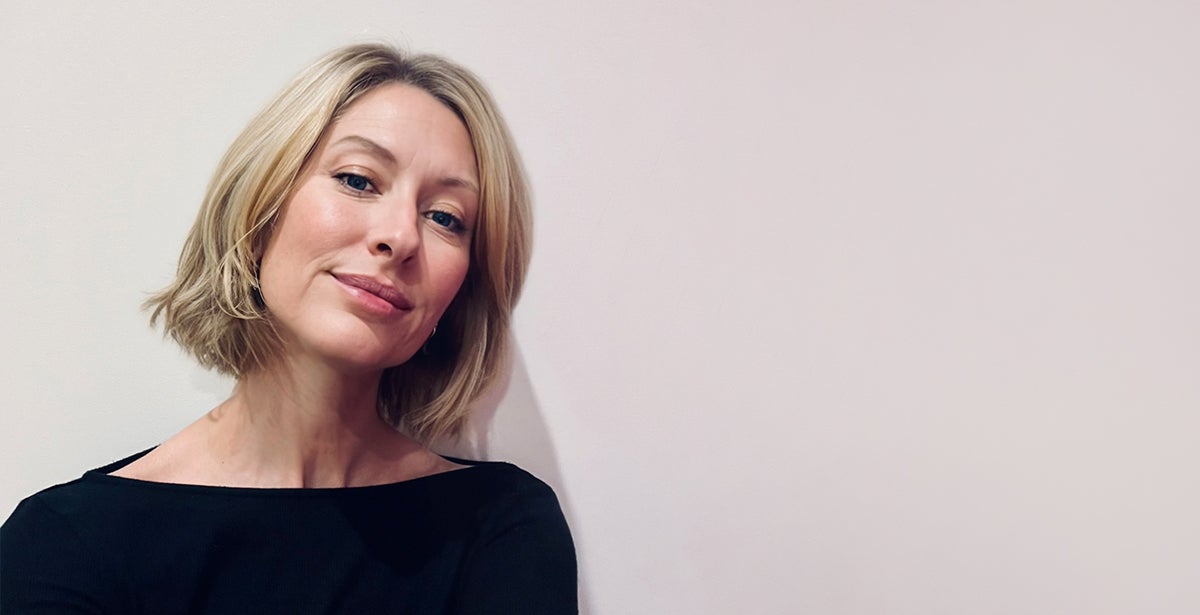
Turning stories into shortlists: Donna Fisher’s Creative Writing journey at ECU Online
When Donna Fisher first landed in Australia from the North East of England, she had no idea that two decades working for the NSW Government would ultimately lead her back to the thing she loved most: storytelling.
While speechwriting, project management and government-wide transformation projects defined her day job for 20 years, these never felt her life’s narrative – “my passion was always storytelling,” Donna reflects.
And in 2019, she decided to chase it full throttle, creating a feminist augmented reality app that turned unsung women’s histories into walking tours. Dubbed, somewhat cheekily, feminist Pokémon, the app let users hunt stories instead of critters. After a few years, she wound it down, but the leap into creative writing had already begun.
Today, Donna is immersed in the Master of Creative Writing at ECU Online, a program she describes as the “place I needed to study” to take her writing to the next level. Having already honed her craft through the Faber Writing Academy in Australia, The Novelry in the UK, and mentorship from established authors, she was ready to delve deeper. “I wanted to create literature that provokes thought and inspires action,” she says. ECU Online’s learning modules, particularly Writing for the Planet’s Future, spoke directly to her ambition, combining intellectual rigour with the freedom to explore stories that matter.
Nature as more than just scenery
A recurring theme in Donna’s work is the natural world. “Nature offers an endless source of inspiration, and often the answers we’re looking for,” she explains. Her stories and poems don’t merely use the outdoors as a backdrop; forests, winds, and rain-soaked grass are living, breathing characters in her narratives.
After a chronic illness made writing physically difficult - brain fog and uncooperative fingers meant she could barely form a sentence - Donna discovered forest therapy. “The joy of observation began to drown out the pain,” she recalls. The practice of being still, noticing, and letting the world speak back to her didn’t just restore her words; it transformed her outlook.
This connection to nature threads through her writing, providing emotional truth that resonates with readers. Her story Gannin' Hyem Mate, shortlisted for the 2025 Bridport Short Story Prize, exemplifies this. Written as part of her final ECU Online assignment, it tells of a woman returning to her hometown and seeing it through the eyes of her father’s ghost - a meditation on memory, reconciliation, and the transformative power of place.
While studying Tim Winton’s Disgust and Enchantment (a chapter in his memoir Island Home) in the Writing Realities unit, Donna was struck by how he transformed setting into character, even for places she had never visited. This insight pushed her past her hesitation to write about her own home – and in her Geordie dialect – realising that “when setting is written with emotional truth, it becomes universal”.
ECU Online: where flexibility meets rigour
The Master of Creative Writing’s online format has been indispensable for Donna, a mother of two with one child homeschooled. “Being able to study one subject at a time and set my own schedule has made it possible to pursue the degree alongside family life and my writing,” she explains. The program’s design allowed her to explore writing across genres - fiction, non-fiction, and performance writing - while receiving expert feedback from tutors like Linda Martin and Annabel Smith. Their encouragement pushed Donna to submit her work to competitions and publications. “Their belief in me gave me the confidence to put my writing out into the world,” she says.
The course has also pushed Donna creatively. Units like Writing Realities asked her to confront personal experiences, silencing her inner critic and teaching her to use vulnerability as a strength.
The confidence she has developed in these units shines through in her Substack essays, where she shares deeply personal and authentic reflections. It also fuels her professional writing pursuits, allowing her to explore new creative directions and develop work across forms and genres. One current project is a darkly comic gothic novel about menopause that subverts the werewolf trope.
Milestones and recognition
Studying at ECU Online has already yielded real-world creative milestones and achievements for Donna. Being shortlisted for the Bridport Short Story Prize was “such an honour,” she says, and her story is now under consideration for publication by a UK literary magazine. Meanwhile, a BBC Radio interview allowed her to share her poetry with a broader audience – a thrilling, if not terrifying, experience for someone who admits she’s more comfortable with a pen than a microphone.
Yet for Donna, the Master’s isn’t just about accolades; it’s about learning to navigate the literary world, building resilience, and embracing the vulnerability required to be a writer. “This program is teaching me not just how to write better, but how to be a writer,” she says.
Advice for aspiring writers
Donna’s message for others dreaming of writing, whether full-time or on the side, is clear: “Ignore the inner critic and put yourself out there. You never know who might need to hear your story.” It’s a credo born of experience: of balancing family, online study, chronic illness, and creative ambition; of turning personal challenges into published work; of finding one’s literary voice amidst life’s noise.
For those inspired by Donna’s story, the next steps are within reach: ECU Online’s Master of Creative Writing offers the tools, flexibility, and mentorship to turn your own passion for storytelling into something tangible and ready to be shared with the world. Whether it’s writing stories that resonate, submitting to competitions, or building a sustainable creative career, the program supports students every step of the way, one compelling story at a time.
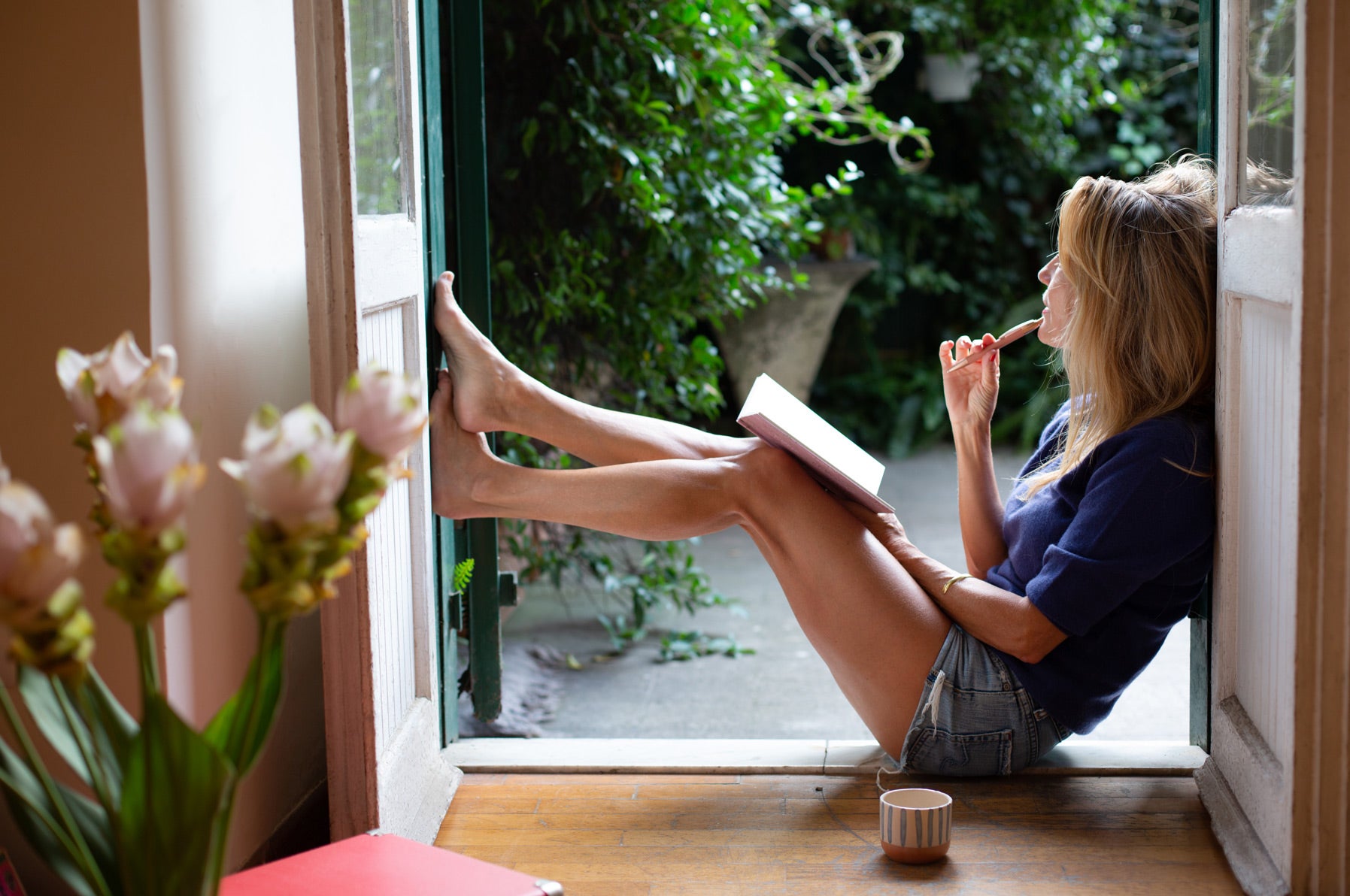
Can you tell us a little bit about yourself and your background? (career, interests, etc.)
I am originally from the North East of England, and I moved to Australia when I was in my twenties. I spent the next two decades working for the NSW Government, first as a speechwriter and then ended up in project management, working on government-wide transformation projects. However, my passion was always storytelling. In 2019, I took the plunge and set up a not-for-profit app that used self-directed walking tours to share untold women's stories via AR statues - it was dubbed feminist Pokemon! After a few years, I wound it down and moved into creative writing full-time.
What led you to study the Master of Creative Writing with ECU Online?
I've been writing since I was a teenager and have developed a good understanding of the fundamentals of creative writing via the Faber Writing Academy here in Australia, and The Novelry in the UK, and have benefited from mentorship from authors and industry professionals, which has allowed me to better understand the industry. But, I really wanted to dive more deeply into the craft of writing, and create literature that can provoke thought and inspires action. The unique Master's program at ECU, with its offerings of modules like Writing for the Planet's Future, resonated deeply with me. I knew this was the place that I needed to study.
What draws you to nature-based writing, and how do you weave that connection into your stories/poems?
Nature offers an endless source of inspiration—and often, the answers we’re looking for. How can we be more resilient? How can we build community or cope with stress? The natural world models these things for us. Being in nature is also such a sensory experience; when you reference it in your writing, it instantly grounds readers—the smell of rain-soaked grass, the cool wind after a hot day. I try not to treat nature as a backdrop, but as a living, breathing character in my stories and poems.
You’ve mentioned that forest therapy has become an important part of your life after being diagnosed with a chronic illness. How has that experience shaped your writing and creative outlook?
When I first became unwell, brain fog and uncooperative fingers meant I could barely write a sentence. I was frustrated and grieving that loss of expression. Someone suggested forest therapy—not to rekindle creativity, but simply to find peace.
A big part of forest therapy is reflection: being still, noticing, and allowing the world to speak to you. In that stillness, the words began to return. I started journaling after each session, and the joy of observation began to drown out the pain. It shifted my focus outward. That change—of paying attention to the world rather than the noise in my head—has transformed not just my writing, but my outlook on life.
Can you tell us about the story you submitted for the 2025 Bridport Short Story Prize, and how it came to life during your studies?
It’s called Gannin' Hyem Mate, and is about a woman returning to her hometown after many years away. She sees it with new eyes—those of her father’s ghost. It’s a story about reconciliation, memory, and how time can transform our understanding of place. I hadn't planned to write this story, but after reading Tim Winton's Disgust and Enchantment as part of the Writing Fiction unit, I saw how he turned a place into a character. I've never been to the places he writes about, yet I understood them. That pushed me to re-evaluate my hesitation about writing about my home and in my Geordie dialect, which I've avoided; fearing it wouldn't resonate with people not from the region. Winton's work showed me that when setting is written with emotional truth, it becomes universal. So, I wrote the story for my final assignment and got some great feedback from my peers and from Annabel, who suggested I try and find a home for it. Having it shortlisted in Bridport was such an honour; it's now being considered for publication by a UK literary magazine, so fingers crossed, it may find its place in the world!
What was it like being interviewed by the BBC, and sharing your poetry with a wider audience?
Absolutely terrifying! I’m not someone who loves public speaking—it’s why I write instead—but the presenter was wonderful, and the response was so kind. It reminded me how powerful it can be to share your words aloud.
Has anyone at ECU, like a lecturer or Student Success Advisor, been particularly influential or supportive during your studies?
I’ve been incredibly fortunate to have amazing tutors—particularly Linda Martin and Annabel Smith—who have encouraged me to submit my work to competitions and publications. Their belief in me gave me the confidence to put my writing out into the world.
Were there any particular subjects, assessments or experiences in the course that really inspired you or helped you grow as a writer?
The Writing Realities unit really pushed me. I’ve always written fiction, but this module asked us to draw on personal experiences and write nonfiction. That meant confronting self-doubt and silencing a very loud inner critic!
With Annabel’s guidance, I learned to use vulnerability as a creative strength. I’m proud of the work I produced—and that confidence has carried over into my Substack, where I now share personal essays and reflections much more freely.
How has the flexibility of studying online, or focusing on one subject at a time, supported your learning experience and creative practice?
I have two children, one of whom I homeschool, so the flexibility of online learning has been absolutely essential. Being able to study one subject at a time and set my own schedule has made it possible for me to pursue the degree alongside family life and my writing, which I'm trying to turn into a sustainable career.
What advice would you give to others who dream of pursuing creative writing or sharing their own stories?
Ignore the inner critic and put yourself out there. You never know who might need to hear your story.
How does it feel to be on this path to becoming an established writer?
Exciting—and a little scary! I’m quite introverted, so the idea of people reading my inner thoughts can be confronting. But this Master’s program is teaching me not just how to write better, but how to be a writer—to navigate the industry, build resilience, and embrace that vulnerability.
What’s next for you? Are there any new projects or ideas you’re excited to explore?
I have a novel coming out next year with a US publisher, titled Daughter of the Forgotten Goddess—a retelling of Gaia mythology—and I’m currently working on a darkly comedic gothic novel about menopause that subverts the werewolf trope. I can’t wait to share both stories with readers and bring some strong women characters into the world.